
The whole map
Protecting your data, in eight pieces
"Protect your personal data" is advice everyone gives and no one explains. It isn't one thing to lock down — it's your name, IDs, logins, and records, copied into a hundred accounts you've forgotten you have. So this isn't one action; it's a handful of ideas, then closing the gaps in order — read the pieces that matter to you.
Start here
The ideas that do most of the work
Skip the settings for a minute — get these three and you'll read every app differently.
Security keeps intruders out; privacy decides who's allowed in at all — and a service can have one without the other. See the difference →
The question isn't whether a company encrypts your data — it's whether it can still read it. Zero-knowledge encryption →
Three quick tests tell you whether the service holding your data can actually open it. How to tell →

Lock the doors
Fewer keys. Better locks.
The average person juggles ~120 passwords — too many to keep unique from memory, so people reuse one and a single breach spreads. Three moves close it.
Give away less
The safest data is data you never shared.
Every signup asks for the same handful of facts about you. The fewer copies scattered across services you'll never think about again, the less there is to lose when one of them is breached — the quiet case for keeping your identity in one place.
of what you type into signup forms, you've already handed to another company — the same 11 facts repeated, over and over. What you give away →
When it goes wrong
A breach isn't an if. Have an order.
When a service you use is compromised, calm and in sequence beats panic.
Everywhere you used it — that's the path the damage takes.
Leaked details make the follow-on scams look real. Slow down.
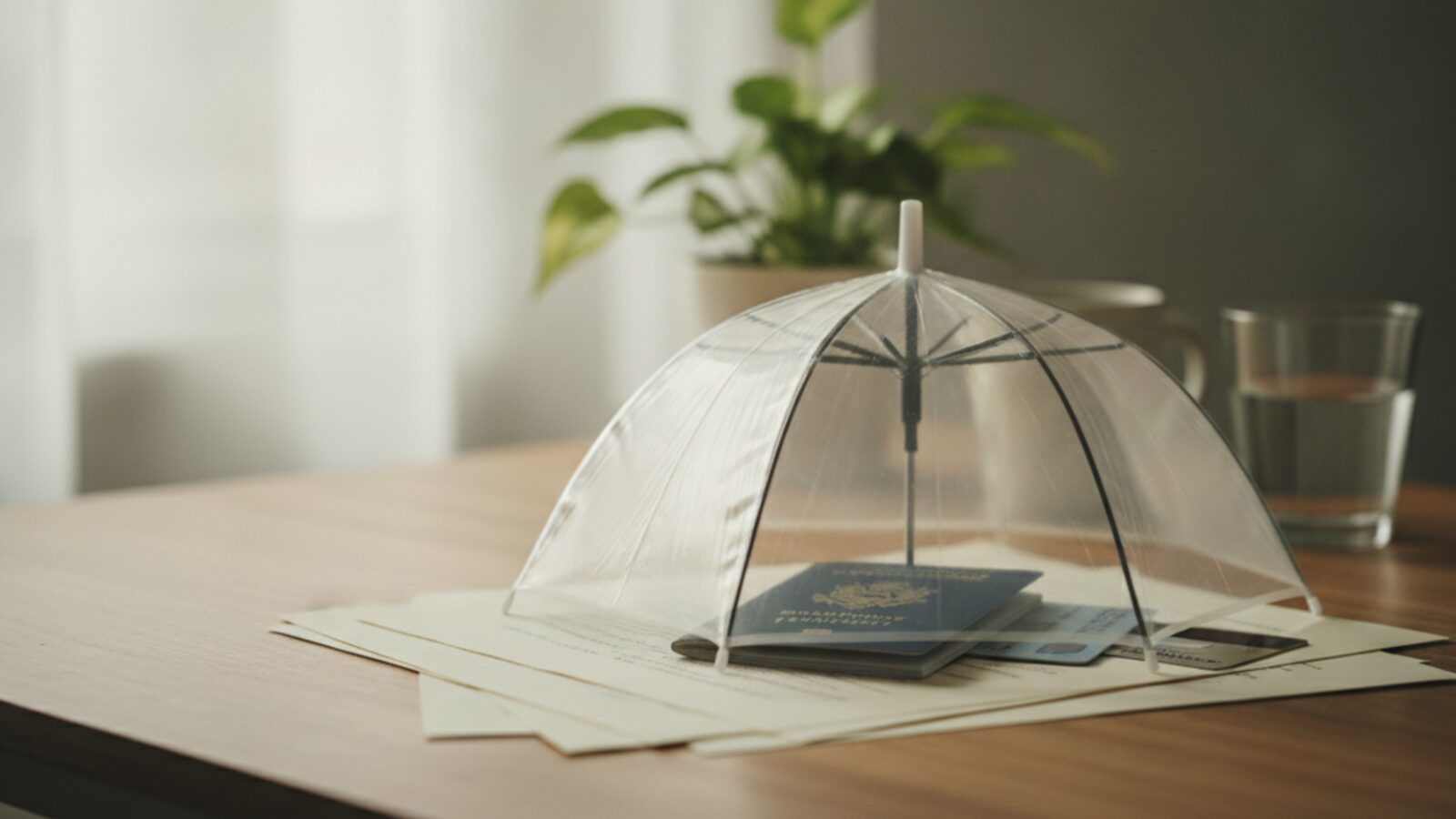
Fewer copies. One you control.
Nearly every piece above points the same way — the less your personal data is scattered, and the more it lives in one place only you can read, the less there is to protect. That's Simply Once: one encrypted identity, filled into forms so you stop leaving copies everywhere.
You don't have to do all of this today — pick the piece that worries you most, close that gap, and come back for the next one.