
Not the same thing
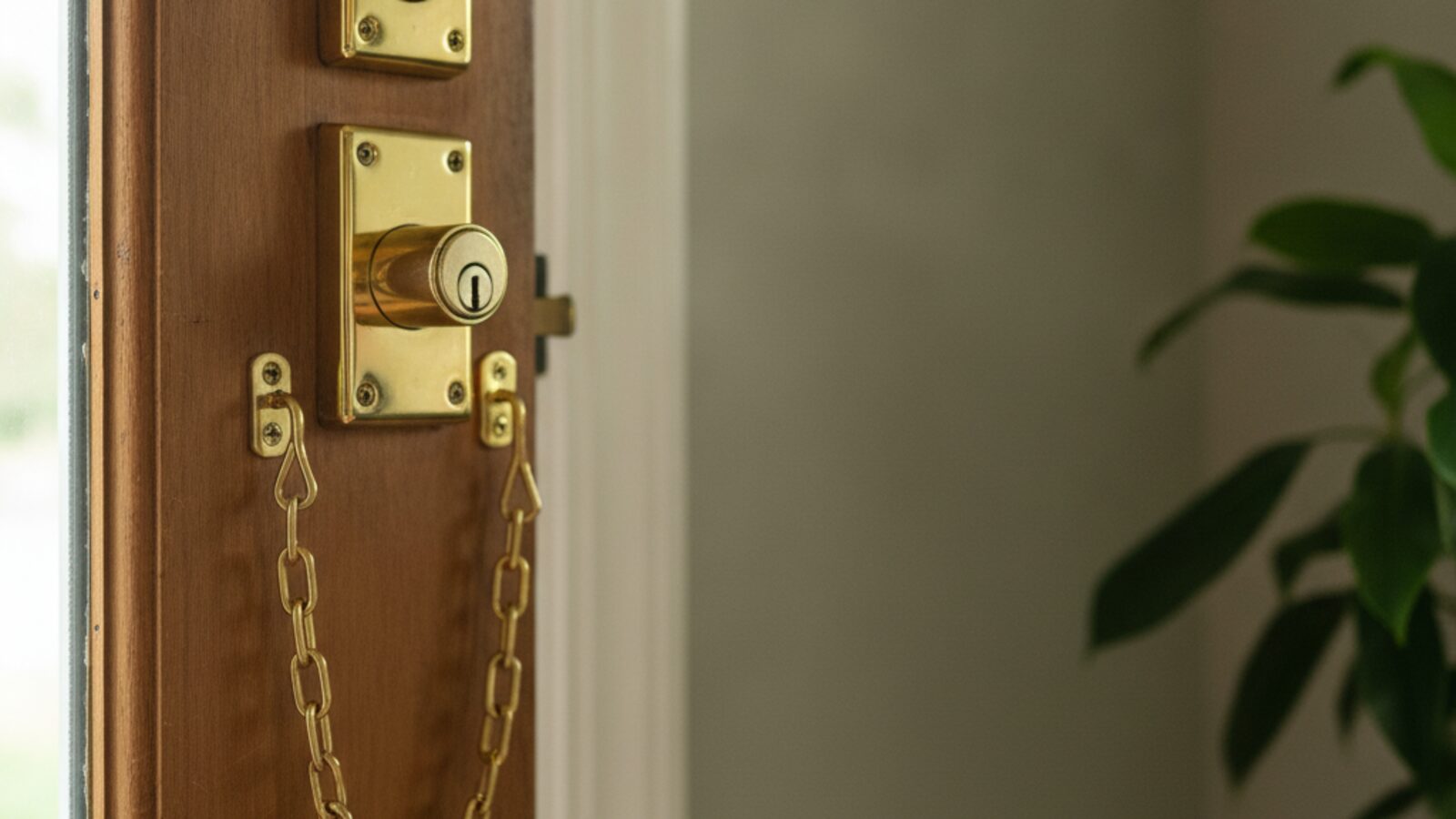
"Private and secure" gets said in one breath so often that the two words have blurred into one. They aren't the same thing — and the difference decides who can actually see your information. The short version: security keeps intruders out; privacy decides who's allowed in at all. Security is the lock on the door. Privacy is deciding who gets a key — and who even knows what's inside.
Once you see the distinction, a lot of confusing product claims suddenly become easy to read. Here it is in plain English.
The distinction
Two different questions
Every product that holds your information answers both, whether it says so or not — security is a property of the walls, privacy of the rules and who holds the keys.
"Can the wrong people get in?" Protection against intruders — encryption, strong logins, alarms, audits. Keeping attackers away from what's held.
"Who's allowed to look at all?" Control over exposure — who may see, collect, keep, and share your information, including the company holding it.
Two failure modes
One without the other
This is where the confusion does real damage, because the two failures look nothing alike.
Most of the internet. A company defends your data expertly against hackers — while reading, profiling, and monetizing it itself. The walls are excellent; you're just not who they serve.
The diary in a drawer, the passwords in a notes app. Nobody's supposed to look — but nothing stops whoever finds it. A promise with no enforcement.
You need both
Neither half is enough alone.
Security without privacy builds a beautifully guarded warehouse of your life — one someone else controls. Privacy without security is a polite request that lasts until someone impolite shows up. Real protection is both: the lock, and deciding who gets a key.
Both at once
What having both looks like
One design delivers both at once — because it changes who holds the keys. Its name is zero-knowledge encryption, where security and privacy stop being separate features and become one architecture.
Your data is scrambled before it goes anywhere — intruders who break in find nothing usable. The security half.
Not the provider, not its staff, not anyone who compels it. Nobody can look without you. The privacy half.
Sharing becomes a decision you make per person and per detail — not a default someone else set for you.
And remember the other half of the picture: privacy isn't only about the tools you pick — it's also about how much of you is already out there. That's its own topic, and its own fix: what personal data you're giving away, and how to take it back.
How to tell
What a product actually gives you
Three signals for each — and one red flag that fools almost everyone.

Where Simply Once fits
We refused to pick one. Simply Once is zero-knowledge and end-to-end encrypted, so the same design that keeps intruders out also keeps us from ever seeing what you store — and every share is a choice you make, field by field. Security and privacy, one architecture. See exactly how on our security page.
Part of the guides to protecting your personal data and organizing your family's information →