
Locked out
Picture an ordinary bad week — a hospital stay, a stolen phone, something worse. Now picture the person closest to you trying to keep your life running: pay the mortgage, reach your insurer, tell your contacts. They can't. The passwords are in your head. The two-factor codes are on the phone that's gone. And the companies won't help a "stranger," even a spouse, without paperwork that takes weeks.
It's the quiet failure almost nobody plans for, because the whole system is built — correctly — to keep other people out. The trick is arranging, in advance, for the right person to get in, without leaving your accounts exposed in the meantime.
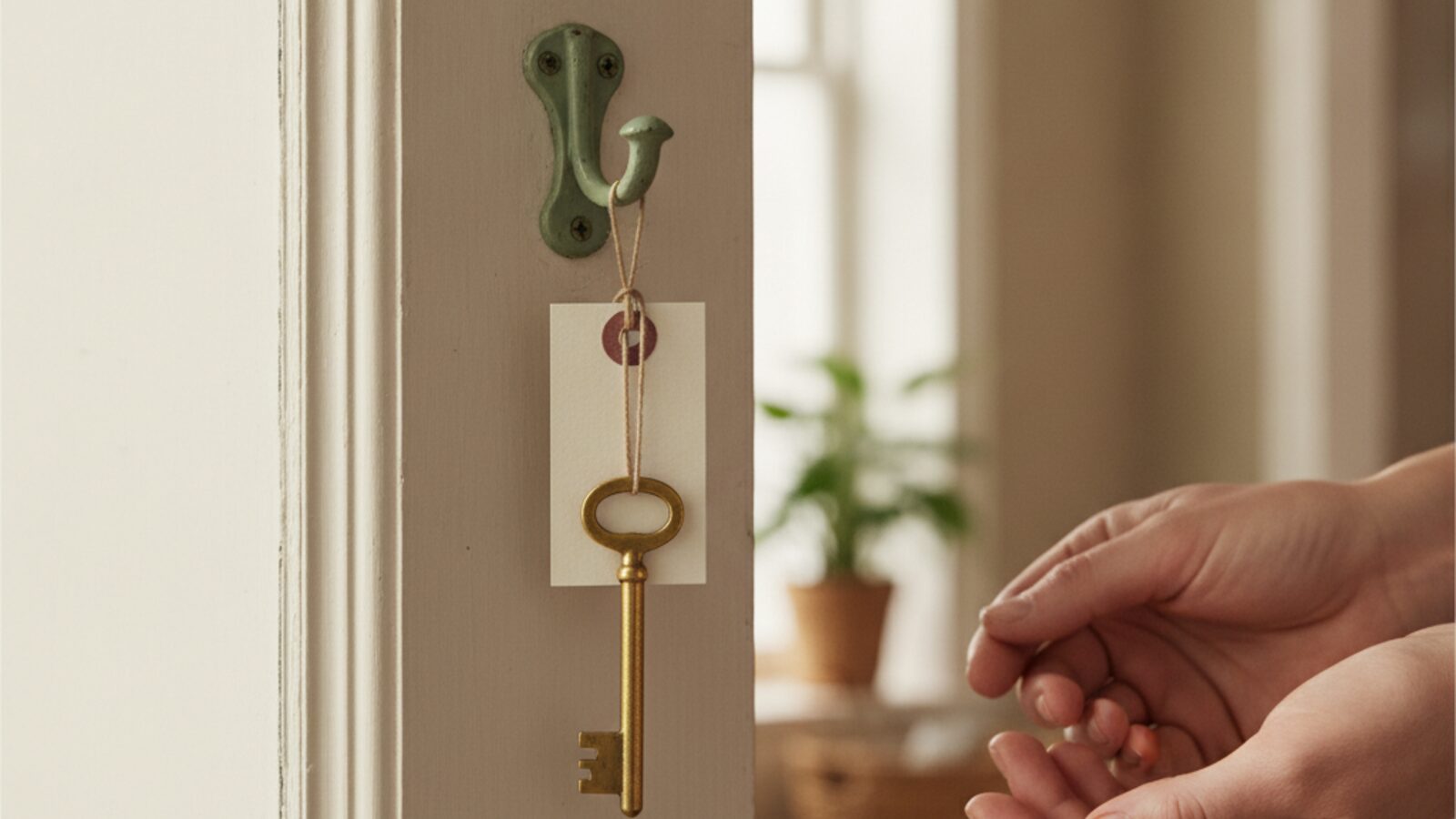
The method
The safe way to leave access
A sticky note in a drawer is readable by anyone who finds it; a shared password is out of date the day you change it. What you want is a place that holds your identity, documents, and logins encrypted — in one place only you can read — that can let a trusted person in when it's needed, and not before.
The gap
Why "they'll figure it out" doesn't work
It's all designed to keep strangers out — but with no plan in place, that includes the people you'd most want to let in.
The strong, unique ones live in your head or a manager only you can open.
The codes that protect you also lock everyone else out — including the people you'd want in.
Support lines and legal processes are slow by design — no help for the bill due Friday.
The plan
Set it up before you need it
You don't fix this by handing out passwords today. You fix it by deciding, in advance, three things.
Name one or two people you trust completely — and tell them, so it isn't a surprise.
The essentials: email, bank, phone carrier, insurance, and where the important documents live.
A method that grants access on your terms — not a shared password that's exposed and always stale.

Plan access before it's an emergency.
It's the practical companion to the legal side. A will decides ownership, slowly; here we solve the immediate problem — more on what happens to your accounts when you're gone and sharing one detail without exposing the rest — plus a printable one-page emergency info sheet for what someone would need first.
Simply Once keeps your identity, documents, and logins in one encrypted vault — and lets you set up trusted access on your terms, so the right person can get in when it matters.