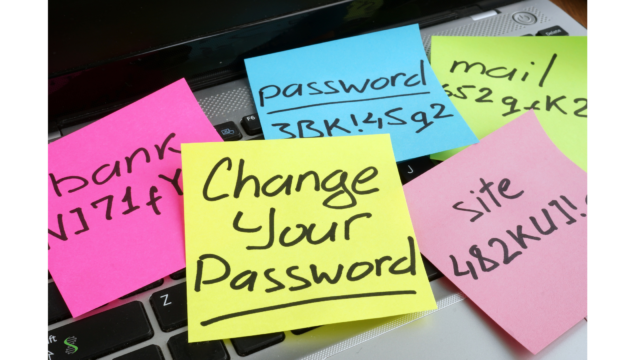
Most people don’t get “hacked” by elite exploits; they get hacked because attackers log in with easy or already-exposed passwords at massive scale. Simply once solves this by automatically generating and filling strong, unique passwords for every login so stolen or guessed credentials no longer work across accounts.
The real reason people get hacked
For most breaches today, the front door is a password box, not a zero-day exploit. Attackers rely on:
Stolen credentials as a primary entry point: Around 22% of breaches in the latest Verizon data used compromised credentials as the initial access vector, and 88% of basic web app attacks involved stolen passwords.
Weak or reused passwords everywhere: In corporate environments, roughly 80–81% of hacking-related breaches still tie back to weak or reused credentials.
Everyday users getting hit: Over a third of people (36%) report at least one online account compromised in the past year due to weak or stolen passwords.
When an attacker bypasses an account, it usually looks like a normal login from a browser or phone, which makes these takeovers hard to spot until money is gone, data is changed, or trust is broken.
How attackers weaponize exposed credentials
Credential-based attacks are now industrialized, automated, and cheap to run. Common methods include:
Credential stuffing at scale: Akamai observed around 26 billion credential-stuffing attempts per month, where bots test username–password pairs from old breaches against new sites.
Massive password dumps: In 2024 alone, about 2.8 billion passwords were circulating for sale or for free on underground markets, feeding these automated attacks.
High share of malicious logins: Studies show that up to 52% of login attempts on some services are made with leaked credentials, not legitimate user-typed passwords.
Once one site is breached and credentials are dumped, attackers replay those same combinations across banking apps, email, social media, and more—counting on the fact that people reuse them.
Why people still reuse passwords
Password reuse is not a moral failing; it is a math problem. The typical person has far more logins than the human brain can safely track.
Too many accounts to remember: The average person now juggles about 170 passworded accounts, up from roughly 100 just a few years ago.
Reuse is the default behavior: Around 60–78% of people reuse passwords across multiple accounts, and about 13% use the exact same password everywhere.
“Strong but reused” patterns: Roughly 34% of users create complex-looking passwords, then repeat variations of them across many sites, which still collapses security if one site is breached.
Verizon’s analysis of real-world credentials shows that, for a typical user, barely half of passwords across services are actually distinct; the rest are reused or very similar. That means any single breach can unlock a large slice of someone’s digital life.
The cost of account takeovers
Account takeovers are not just an IT problem; they are a business and personal risk multiplier.
Direct consumer impact: Around 22% of U.S. adults experienced an account takeover in the past year, with estimated losses around 288 billion dollars.
Explosive growth: The Identity Theft Resource Center recorded a 254% year‑over‑year rise in ATO attacks, driven largely by credential stuffing and phishing that feed off reused passwords.
Organizational exposure: More than 75% of security leaders rank account takeover among their top four global cyber threats, reflecting its role in fraud, ransomware, and data theft.
Every reused password is effectively a shared key between multiple doors, and attackers only need one weak or leaked lock to open all of them.
How Simply once breaks the password problem
The only sustainable fix is to remove humans from password creation and reuse. Simply once does this by turning strong, unique passwords into a background feature instead of a daily chore.
Automatic strong password creation: Strong credentials should be long, random, and unique; security guidance now recommends complex passwords of 15+ characters because anything under 8 characters can often be broken in hours or less. Simply once auto‑generates these high‑entropy passwords so users never have to invent or memorize them.
One‑password‑per‑site by design: Where typical users reuse or slightly tweak passwords across dozens of accounts, Simply once issues a distinct, random password for every login, cutting off credential stuffing and replay attacks at the root.
Seamless autofill instead of memory: Rather than expecting users to remember 170+ unique strings, Simply once securely stores and autofills them so security improves while friction drops, not the other way around.
By eliminating weak, reused, and guessable credentials, Simply once raises the cost of attack: stolen passwords from one breached site no longer unlock dozens of others, and attackers’ automated credential-stuffing campaigns lose their payoff.