Zero-knowledge architecture is the quiet engine behind real privacy: it makes sure your information is useful to you, but meaningless to everyone else. For a product like Simply Once, it is the core reason your data can stay safe from hackers, third parties, and even the people who run the service.
What on earth is “zero-knowledge”?
Most apps today work by asking you to hand over your data in a readable form, then promising to “keep it safe.” Zero‑knowledge architecture flips that on its head. Your information is encrypted on your device before it ever leaves your phone or laptop, and only you hold the key that can turn that scrambled data back into something meaningful.
That means the service can help you store, sync, or process your data without ever actually seeing it. Even with full access to databases and servers, the people behind the product see only encrypted blobs, not your private details.
Why this matters to real people, not just security geeks
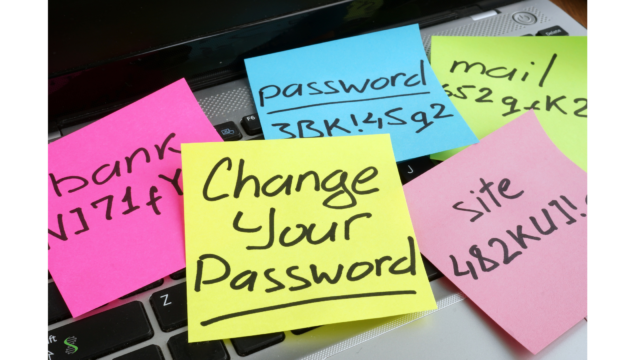
Most users never read security whitepapers, but everyone understands the feeling of seeing “We’ve had a data breach” in their inbox. In a traditional setup, a breach can expose emails, passwords, personal notes, and more in plain text or easily crackable form. With a zero‑knowledge architecture, what an attacker steals from the servers is just encrypted noise without your key.
This has a very practical impact: fewer devastating breaches, less identity theft, and a dramatically smaller blast radius when something does go wrong. Instead of asking you to blindly trust a company’s security promises, zero knowledge builds privacy into the foundations so that even mistakes and outages do not automatically become your problem.
How zero-knowledge actually works (without the math)
Under the hood, zero‑knowledge systems rely on strong cryptography, but you do not have to understand the equations to understand the flow. When you create an account or store new information, your device encrypts that data locally using keys derived from secrets only you know (like a master password or device key).
The service then stores only the encrypted version, plus enough metadata to know what belongs to whom and when to sync it. Later, when you log in, the system can confirm you are legitimate without ever seeing your original secret, and your device decrypts what you need on the fly.
Why Simply Once chose zero-knowledge from day one
For Simply Once, zero‑knowledge architecture is not a checkbox feature; it is the product’s worldview. The platform is designed so that user data is private by design, not just by policy. Even with full access to production systems, support tools, or backups, Simply Once cannot quietly browse through your information because it never exists in readable form on the servers.
This also keeps incentives clean. When a company cannot see your data, it cannot quietly mine it, profile you, or “experiment” with it. The business model has to be aligned with user trust, reliability, and value, not with squeezing extra revenue from your personal information.
What this means for you going forward
Choosing products built on zero‑knowledge architecture is one of the few ways to meaningfully raise your privacy and security without changing your behavior. You still log in, create content, and use features as usual—but the safety net underneath is radically stronger.
As the internet becomes noisier and more data‑hungry, this kind of architecture is one of the clearest lines you can draw: your information should work for you, not for attackers, advertisers, or anonymous insiders. That is why Simply Once is committed to zero‑knowledge design as the baseline—not the upgrade—for how your data is handled.